Refer a friend and get $10 credit!

FREE delivery on orders over $80!


How to transition your pet's diet safely
Posted on: October 14, 2026
Categories:
General




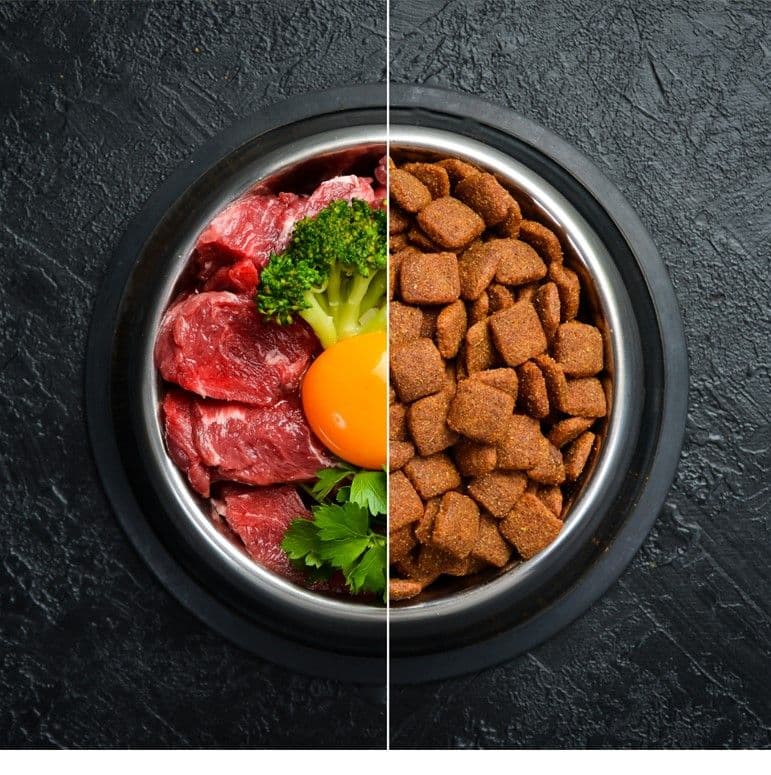
Transitioning your pet’s diet requires careful thought and planning to avoid digestive issues and ensure they adjust smoothly to the new food.
Common mistakes to avoid
Rushing through the transition phase
The most common mistake that pet owners make in switching their pet’s diet is rushing through the transition. A quick searc online shows that most pet food brands recommend a 8 day transition plan where your pet is fed with an increase of 25% of new food every 2 days. There is very little research to support this recommendation and a standard plan may not suit every pet. The length of transition may vary, depending on each pet’s life stage, medical conditions or dietary limitations. Some pets may require a few months to complete a transition from dry food to fresh food.
Not observing visual cues
Not paying attention to the early feedback and signs your pet is showing during the process. For example, slightly wetter stools or unwillingness to eat, may indicate food intolerance, which may suggest your pet is not digesting a specific protein or ingredient well, or gastrointestinal upset that is caused by the switch to new food, which may indicate you need to slow down the transition further.
Introducing multiple ingredients at one time
Trying to introduce two or more new foods, even if the introductions are sequenced and a few days apart. This increases the risk of a digestive upset or food intolerance and possible an allergic reaction in pets with a history of food sensitives and poor gut health.
How do you avoid these mistakes?
Before you start transitioning to new food, do thorough research and speak with a nutritionist or veterinarian on the suitability of the new food for your pet, based on your pet’s age, lifestage, food allergies and other medical conditions if any. Identify the objectives and what you hope to achieve for your pet on the new diet.
Then, make a transition plan. Feed a sufficient amount to maintain healthy body weight, be consistent with your meal times, ensure sufficient access to hydration and introduce one new food or brand at a time.
During the transition, keep a journal detailing the various timelines, of when you start the transition, when you increase the proportions of new food. Observe and note your pet’s activity level, behavior, energy levels, coat and stool conditions and overall well-being. Keep video or photo records of any visual observations. These would be helpful for your veterinarian’s assessment and recommendations for your pet.



Join the pack
Earn up to 10% off on every order!